A quiet observation about breakfast tables everywhere
Why Kitchens Are Talking About Biblical drink (oil)/ Honey blend Again
Long before glucose meters existed, people watched their meals for clues. Biblical drink (oil)/ Honey blend is one of those old kitchen habits worth understanding — as food, as history, as part of a morning routine you build together with your own doctor.
The Real Rhythm of a Day Watching Your Plate
Ask anyone who pays attention to their meals and they’ll tell you: it’s not one big struggle. It’s a string of small ones, all day long.
The Morning Drag
Eight hours of sleep, zero hours of feeling rested. Mornings can feel heavier than they should, long before the day even starts.
Menu Guesswork
Standing in a grocery aisle, reading labels twice, still unsure. Food decisions can feel like a quiz nobody handed out the answer key for.
The Afternoon Dip
Energy up, energy down, sometimes within the same hour after lunch. That rollercoaster feeling is familiar to a lot of people.
Decision Fatigue, Meal After Meal
Breakfast, lunch, dinner, snacks — each one a small decision. By the third meal of the day, that adds up to real mental weight.
Kitchen Talk: Myth vs. Fact
A lot of mealtime advice gets passed around without much checking. Here’s a closer look at three common ones.
Carbs are the enemy at every meal.
Carbohydrates are just one part of a plate. Portion size and what they’re paired with tend to matter more than blanket fear. Your own care team can help you figure out what balance fits your routine.
Fruit is basically candy in disguise.
Whole fruit brings fiber and water along with its natural sugars, which behave differently than a candy bar. Context and portion still count.
A ‘diabetic food’ label means it’s automatically a safe choice.
Packaging claims aren’t a substitute for reading the actual label — or for the specific guidance your physician has already given you.
Three Habits People Build Around Their Plate
None of this is a program or a prescription. It’s just how some people choose to structure a meal, one small habit at a time.
Vegetables First, Then the Rest
Some people start with the vegetables on their plate before moving to everything else. It’s a simple sequencing habit, nothing more.
Slow Down the Fork
Eating at a slower pace gives a meal room to actually register. Fewer bites in the first five minutes, more attention to the last five.
A Short Walk After the Plate is Cleared
A gentle walk after a meal — even just around the block — is a habit many people build into their day, purely as routine.
A Taste Passed Down From Old Kitchen Tables
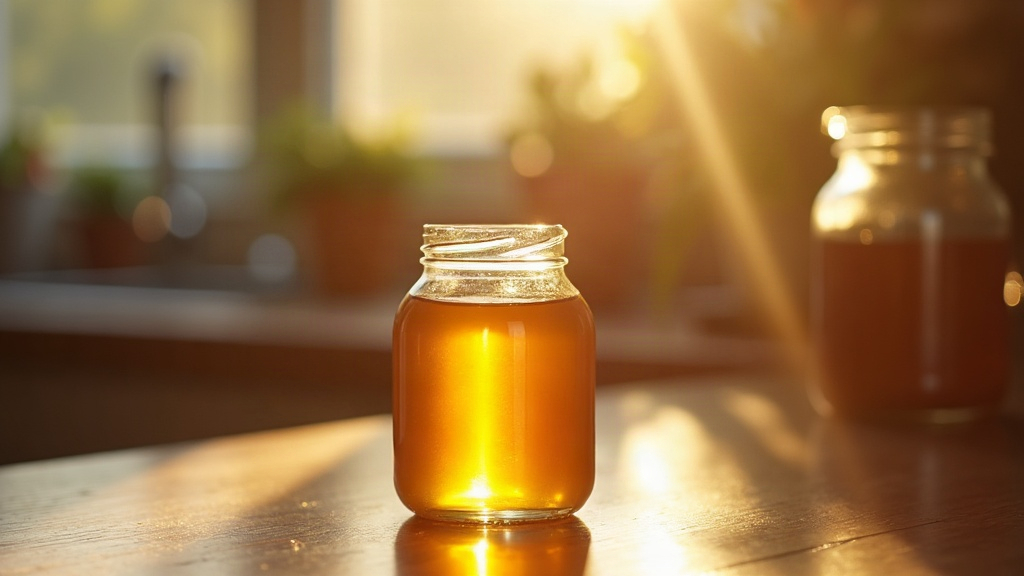
Long before modern pantries, oil and honey were staples on Mediterranean and Middle Eastern tables. Olive oil was pressed and stored in clay jars; honey was gathered and kept as one of the oldest sweeteners known to households. Together, they showed up in simple dishes — bread dipped in oil and drizzled with honey, a combination mentioned in old texts and passed down through generations of home cooks. It wasn’t a remedy or a formula. It was breakfast, or something close to it, shared at a table. Families used what their land gave them, and this pairing became part of everyday cooking rather than anything clinical.
The story is about culture and the kitchen, not about mechanisms in the body. If you’re curious about adding an old-world ingredient like this to your own table, it’s worth mentioning to your doctor first, especially if you’re already managing your meals around a treatment plan.
Moments Worth a Conversation With Your Doctor
Energy That Swings Hard, Not Just Dips
A dip after lunch is common. But when energy swings feel dramatic and unpredictable, it's worth bringing up at your next appointment rather than guessing at the cause.
New or Different Thirst Patterns
Feeling thirstier than usual, or noticing a real change in that pattern, is something your doctor can help put in context — they know your history.
Meals That Suddenly Feel Harder to Plan
If planning meals starts feeling confusing in a new way, that's a good, concrete thing to describe to your healthcare provider.
Sleep That Doesn't Refresh You
Waking up tired night after night, despite enough hours in bed, is worth mentioning — your doctor can look at the full picture.
Unexpected Changes on the Scale
Weight shifts you didn't plan for deserve a conversation with the professional who already knows your health history.
Questions About Adding a New Food to Your Routine
Curious about something like Biblical drink (oil)/ Honey blend or any other addition to your meals? That's exactly the kind of question worth asking your doctor before you change anything about your diet or your treatment.
How People Talk About Their Mornings

These are individual reflections on personal routines, not medical endorsements. They do not describe changes in glucose readings, lab results, or medication, and results or experiences will vary from person to person.
Your Mornings, Your Choices — With Your Doctor in the Loop
Curious how an old kitchen habit fits into a modern breakfast routine? Take a closer look — and remember, any change to your meals, supplements, or treatment plan is worth discussing with your doctor first.
Advertising Disclosure: This page contains sponsored content and affiliate links. We may receive compensation if you click a link or make a purchase through the links provided on this page. This helps support the operation of this website at no additional cost to you.
Content Disclaimer: This content is provided for educational and informational purposes only. It has not been evaluated by the FDA. Nothing on this page is intended to diagnose, treat, cure, or prevent any disease or medical condition. This information does not substitute for professional medical advice, diagnosis, or treatment. Always consult a qualified healthcare professional before making any changes to your diet, daily routine, or any prescribed treatment.
Results Disclaimer: Individual results and experiences vary. Testimonials shared on this page reflect personal opinions and routines and are not a guarantee of any particular outcome or result.
© 2026 · All Rights Reserved